What to wear to a black tie event
You receive an invitation with the words “attire: black tie”, and you want to get it right. Do you need a tuxedo? Is a dark suit acceptable? And which shoes are appropriate? This guide covers everything you need to know about black tie dress code for men: from the essential pieces to fit, colour and accessories. Arrive dressed with confidence, without any last-minute stress.
What does “attire black tie” actually mean?
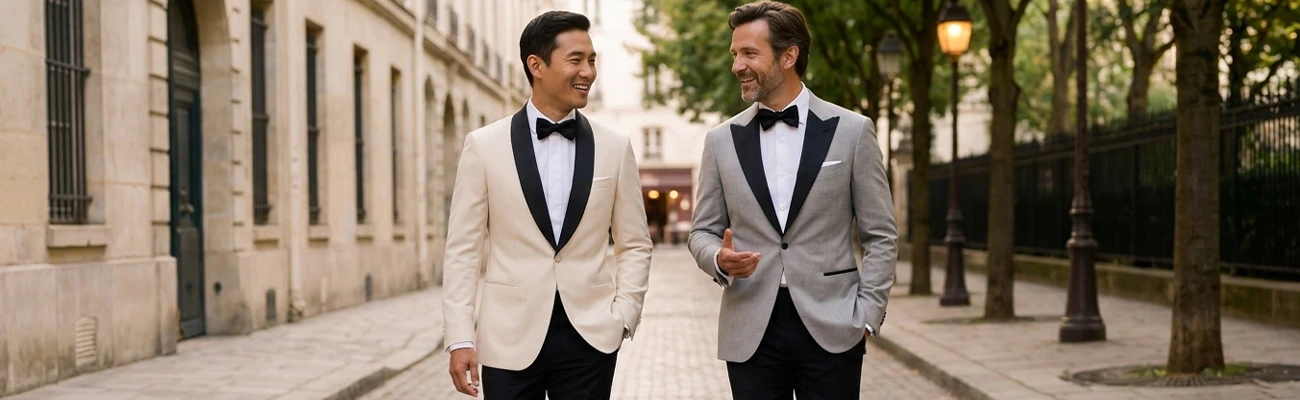
When an invitation specifies “attire: black tie”, it means a formal evening dress code is in effect. For men, this traditionally means a dark tuxedo (smoking) worn with a white dress shirt, a black bow tie and polished black shoes. Black tie is one of the most formal dress codes you will encounter outside of white tie. It is most commonly seen at:
- Gala dinners and charity events
- Formal evening wedding receptions
- Award ceremonies, film premières and business galas
- Formal themed parties or festive evening events
Black tie vs. other dress codes
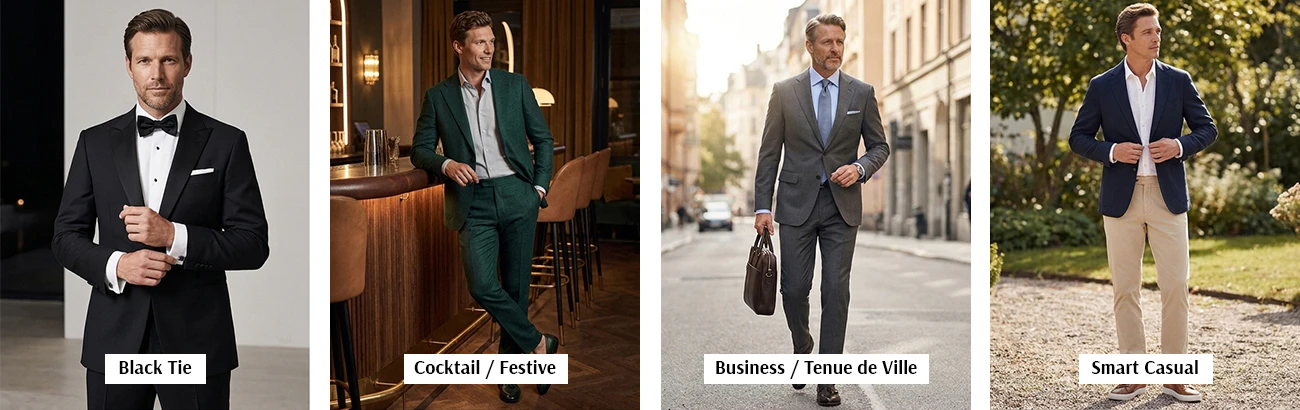
Understanding where black tie sits on the formality scale helps you make the right choices. If the invitation says “attire: black tie”, a tuxedo is generally expected. A regular dark suit is more appropriate for cocktail or business dress codes. Here is a quick comparison:
Black Tie
Black tie is highly formal and almost always for evening events. Think of galas, premieres and formal dinners. You wear a tuxedo with a black bow tie, a white dress shirt and black patent leather shoes. Details matter. Add cufflinks and a pocket square for a complete look. Colours stay classic. Black and white are the standard, with very little variation.
Cocktail / Festive
Cocktail is still formal, but less strict. Ideal for parties, weddings and dinners. You wear a dark suit with a shirt. A tie or bow tie is optional. There is more room for colour and texture. Deep blue, dark green or subtle patterns work well. This is where you can show personality while staying polished.
Business / Tenue de Ville
This is the standard for business and formal daytime occasions. You wear a suit in a mid to dark colour such as navy or grey, with a shirt and usually a tie. The look is clean and professional. Less strict than black tie, but still formal. Suitable for work, meetings and daytime ceremonies.
Smart Casual
You combine chinos or tailored trousers with a shirt. A blazer is optional. Shoes can be dress shoes or clean sneakers. This dress code is clearly less formal. Perfect for informal dinners or social events.
The black tie outfit for men: essential pieces
A complete black tie outfit comes down to a handful of key elements. Get these right, and you will be well-dressed for virtually any black tie occasion; gala dinner, wedding reception or awards evening.
The tuxedo: jacket and trousers
A tuxedo (smoking) is a formal two-piece consisting of a jacket and matching trousers in the same dark fabric. The tuxedo differs from a regular suit in that it is designed specifically for evening wear. The cut and details are calmer, more classic, and it is always paired with a bow tie and white shirt. Key characteristics to look for:
- Colour: When it comes to colour, black is the classic choice and for good reason. It is timeless, universally appropriate and never needs justification at a formal event. That said, deep navy has become an increasingly accepted alternative, particularly at events where the dress code allows a little more breathing room. Other very dark shades can work too, as long as the overall impression reads as formal and intentional rather than accidental.
- Jacket: The jacket should have clean lapels, structured lines and no distracting details. This is not the place for bold buttons, contrasting stitching or decorative flourishes. The power of a black tie jacket lies precisely in its restraint. A well-cut, understated jacket will always outperform something that tries too hard.
- Trousers: The trousers follow the same logic. They must match the jacket in both fabric and colour; mismatched pieces, however subtle the difference, will always catch the eye in the wrong way under evening lighting. Keep them free of bold patterns or textures. The goal is a clean, unbroken line from jacket to shoe, so that the outfit reads as one cohesive whole rather than two separate pieces that happen to be worn together.
Black tie has survived decades of changing trends for one simple reason: when done right, nothing else comes close.
Fit guide
Fit is where a tuxedo either earns its place or loses it entirely. The most expensive jacket in the room will look mediocre if it does not sit correctly on the body and conversely, a well-fitted mid-range tuxedo will consistently outperform one that has never seen a tailor.
- Shoulders: Start with the shoulders, because everything else follows from there. The seam should sit right at the edge of your shoulder. Not sliding down your arm, and not pulling upward toward your neck. If the shoulder fit is off, no amount of tailoring elsewhere will fully correct it. It is the one element worth being uncompromising about when trying on a jacket.
- Jacket length: The length of the jacket matters more than most people realise. As a general rule, it should cover the seat comfortably, long enough to look considered, but not so long that it starts to shorten your silhouette. A jacket that rides up at the back or pulls across the chest when you move is telling you something important: it needs adjustment, or it is simply the wrong cut for your build.
- Trousers: The trousers complete the picture. The hem should rest lightly on the shoe, a gentle break, nothing more. Too short and the outfit loses its formality the moment you take a step; too long and the fabric bunches and drags, which undermines the clean lines that make black tie work in the first place. If you are between sizes or unsure, err on the side of slightly longer. A small adjustment at the hem is one of the easiest and least expensive alterations a tailor can make.
The dress shirt
Under a black tie tuxedo, a clean white dress shirt is the standard. Simple and well-fitted is the guiding principle. What to pay attention to:
- Colour: Crisp white for a fresh, formal appearance.
- Sleeve length: Long enough so a small strip of cuff remains visible below the jacket sleeve.
- Collar: A classic collar that sits well with a bow tie.
A calm, plain white shirt keeps the focus on the overall look, pairs easily with different bow ties and accessories, and never goes out of style. Find a well-fitting option in the white dress shirt collection.
The bow tie and other essentials
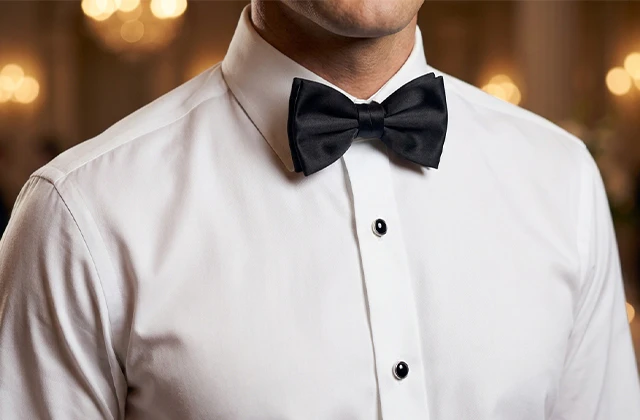
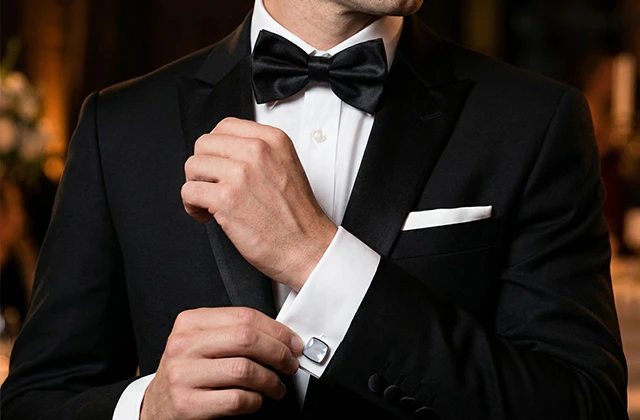
The bow tie is the defining accessory of the black tie dress code.
- Colour: Black or very dark for formal events.
- Material: A neat, understated fabric that complements the tuxedo.
- Knot: A classic bow shape, not oversized.
At less formal black tie theme parties or festive events, a touch of colour in your bow tie may be acceptable. If so, choose a deep, rich shade such as dark blue or burgundy, and keep the rest of your outfit calm and classic.
Shoes and accessories for black tie
The foundation of a black tie outfit is the tuxedo, but it is the shoes and accessories that bring everything together. These final details determine whether your look feels complete and refined or slightly off. By choosing classic, well-matched pieces, you create a balanced outfit that fits the formal nature of the occasion and shows attention to detail.
Shoes
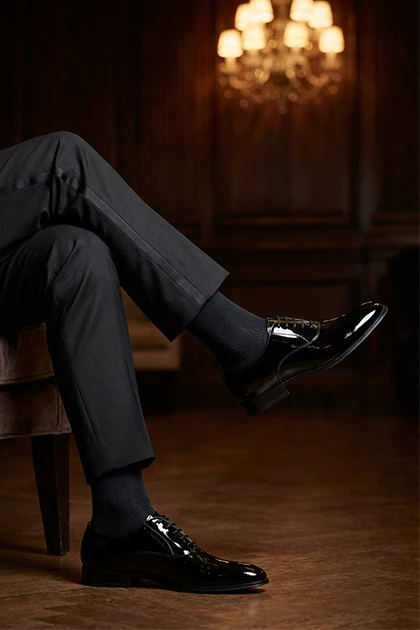
Your shoes complete the outfit. They may seem like a small detail, but they often stand out more than expected, especially when you walk, sit down or cross your legs. Well-chosen shoes reinforce the formal look of your tuxedo and show attention to detail. A good pair of black dress shoes is an investment you can use for years. Choose a timeless model that works not only for black tie, but also for business and formal occasions.
What works well:
- Black lace-up shoes in smooth leather. Clean, minimal and always appropriate.
- Patent leather shoes for a high-gloss finish. Ideal for very formal evenings such as gala dinners or award ceremonies.
- Well-polished shoes. Even the best pair looks unfinished without proper care.
- Dark, fine-knit socks that match your trousers. This creates a continuous line and keeps the outfit calm.
- Black lace-up shoes in smooth leather. Clean, minimal and always appropriate.
- Patent leather shoes for a high-gloss finish. Ideal for very formal evenings such as gala dinners or award ceremonies.
- Well-polished shoes. Even the best pair looks unfinished without proper care.
- Dark, fine-knit socks that match your trousers. This creates a continuous line and keeps the outfit calm.
What to avoid:
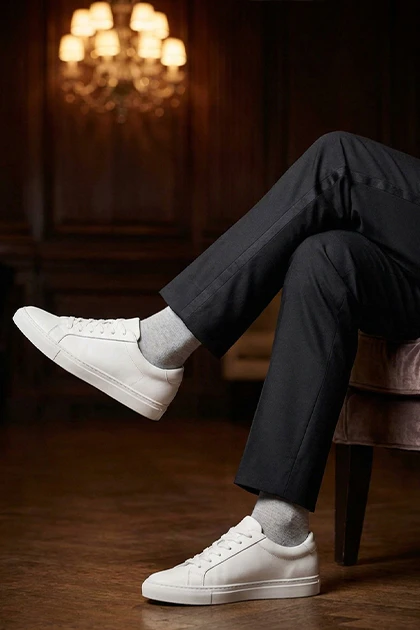
- Trainers or sports shoes. These immediately break the formal look.
- Casual loafers or boots. Even high-quality versions are too informal for black tie.
- Worn or unpolished shoes. Visible creases or dull leather stand out quickly.
- Light-coloured socks or bare ankles. These draw attention away from the outfit and look unfinished.
- Trainers or sports shoes. These immediately break the formal look.
- Casual loafers or boots. Even high-quality versions are too informal for black tie.
- Worn or unpolished shoes. Visible creases or dull leather stand out quickly.
- Light-coloured socks or bare ankles. These draw attention away from the outfit and look unfinished.
Accessories: understated and coordinated
Accessories should enhance your outfit, not dominate it. The goal is a balanced, refined look where every element fits together. Keep colours calm and materials consistent.
Suitable choices:
- Bow tie: The key piece of the outfit. Stick to classic black for formal events. A self-tied bow tie often looks more natural than a pre-tied version.
- Pocket square: Preferably white for a traditional look. A subtle colour can work if it connects with your bow tie. Keep the fold simple.
- Cufflinks: Small but noticeable. Choose a clean, classic design in silver, gold or a dark tone.
- Waistcoat or cummerbund: Not required, but it adds structure and finishes the look. It also ensures the shirt is not visible between jacket and trousers.
Additional details to consider:
- Belt: Not worn with a tuxedo. Trousers are designed to fit cleanly without one.
- Braces: A better option if extra support is needed. Keep them hidden under the jacket.
- Watch: Traditionally optional. If you wear one, choose a slim dress watch with a simple dial. Avoid large or sporty models.
The key is consistency. Match materials and tones across your accessories. For example, combine a satin bow tie with satin lapels and keep metals in the same colour family. A well-coordinated set of accessories shows attention to detail without drawing too much attention. It completes the black tie look in a subtle and confident way.
Colour, fabric and fit: keeping your look timeless
Colour, fabric and fit are the foundation of a timeless black tie look. The strength of black tie lies in its simplicity. The colour palette is limited by design, and that is exactly what makes it so effective. Black is always the safest and most classic choice. It works at every black tie event without discussion. Deep navy is also a strong option. It offers a slightly softer look while still staying formal. The rest follows clear rules. A crisp white shirt creates contrast and freshness. Black shoes complete the outfit with a clean and polished finish.
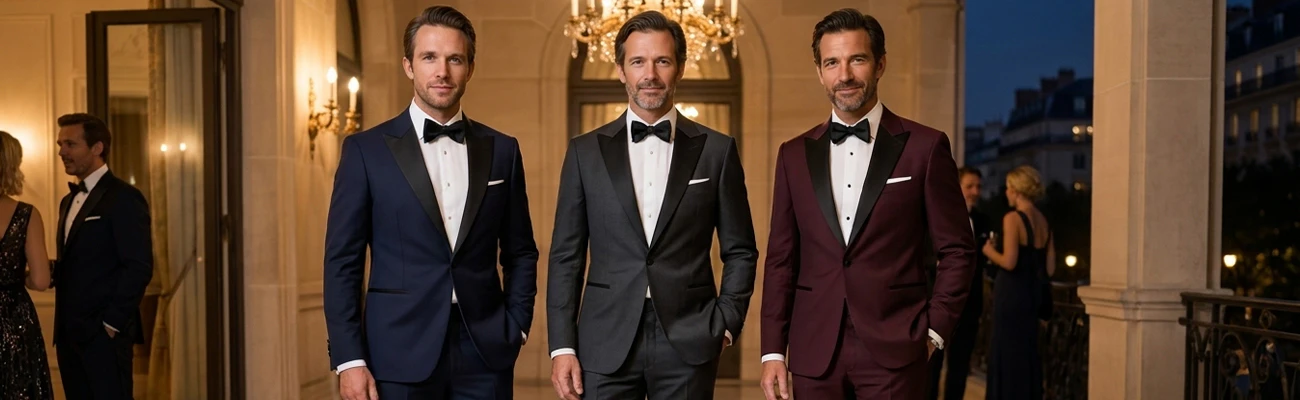
Fabric plays a quiet but important role in the overall appearance. A well chosen fabric adds depth without drawing too much attention. Think of a fine wool or a subtle blend with a slight sheen. This gives the tuxedo a rich look under evening light. Avoid fabrics that are too shiny or too heavy, as they can look outdated or uncomfortable. The goal is balance. The fabric should support the silhouette and enhance the clean lines of the outfit, not compete with them.
Fit is where everything comes together. Even the best colour and fabric will fall flat if the fit is off. A good tuxedo follows the shape of the body without feeling tight. The shoulders should sit clean, the jacket should close comfortably, and the trousers should fall neatly on the shoes. This creates a sharp and confident look. Many men try to stand out with bold colours or patterns, but this often breaks the harmony of black tie. If you want to add personality, keep it subtle. Choose a refined pocket square or a bow tie with a slight texture. Keep the base calm and classic, and let the small details make the difference.
Fit by body type
If there is one thing that separates a well-dressed man from a formally dressed one, it is fit. The same tuxedo can look sharp or sloppy depending entirely on how it sits on the body.
- Slim build: For slimmer builds, a slim-fit cut that follows the natural line of the body tends to work best. Jackets that are too wide or too long add unnecessary volume and can make the frame appear smaller than it is.
- Average build: For an average build, a regular fit is usually the most reliable starting point. The key is simply ensuring the jacket closes cleanly without pulling at the buttons.
- Broader build: For broader builds, a wide fit, the priority shifts to finding sufficient room across the chest and waist without sacrificing structure. Shoulder width deserves particular attention here, as does the length of both jacket and trousers, which can significantly affect how proportional the overall silhouette looks.
Regardless of build, a few universal checks apply. The jacket should lie flat across the back and chest without pulling. The trousers should sit comfortably at the waist and fall smoothly over the shoe. The shirt should give you enough room to move your arms without the fabric straining across the shoulders. If you are at all unsure about size or fit, a visit to the store is always worth the time. A short conversation with an experienced advisor will get you further than any amount of guesswork at home.
Practical tips: how to prepare for a black tie event
A little preparation goes a long way. Use this checklist to make sure you have everything covered.
What you will need
- Tuxedo (jacket and matching trousers)
- White dress shirt
- Black bow tie
- Black dress shoes and dark socks
- Subtle accessories: pocket square, cufflinks, and optionally a waistcoat or cummerbund
When to try on your outfit
- At least a few days before the event, never the night before.
- Check that the jacket, trousers and shirt still fit well.
- Walk around in your shoes to confirm they are comfortable.
What to bring to the store
- Your invitation, so the advisor can see the exact dress code wording.
- The shoes you are considering, to check trouser length accurately.
- Any previous measurements or preferred sizes.
Ordering online efficiently
- Filter by the fit and size you usually wear.
- Read size guides and product descriptions carefully.
- Order complete combinations (tuxedo, shirt, accessories) where possible to save time.
Common black tie mistakes and how to avoid them
- Shoes that are too casual: Wear black dress shoes with dark socks. Trainers, loafers and casual boots are not appropriate.
- Wrong bow tie colour: Choose black or dark for formal events. Only consider colour at less strict occasions, and keep it subtle.
- Sleeves or trousers that are too short: Check the length in advance and arrange alterations if needed, do not leave this until the last moment.
- Bold prints or bright colours: Keep the jacket, trousers and shirt calm and dark. Use colour only in small accents such as a pocket square or bow tie.
- Missing or mismatched accessories: Coordinate bow tie, pocket square and cufflinks. Keep everything understated and consistent.
Black tie attire at Schulte
Schulte specialises in premium menswear with a focus on fit, quality and timeless style. For black tie occasions you will find complete outfits alongside expert advice, so you can make confident choices quickly.
Personal advice in-store
In-store advisors will help you put together a black tie outfit that suits your build and the specific occasion. You can expect:
- Guidance on the right size and fit for your tuxedo and shirt
- Practical tips on combining colours and accessories Advice on trouser length, sleeve length and shoe choice
Put your outfit together online
Prefer to prepare from home? The Schulte website lets you orient yourself and build your black tie outfit at your own pace:
- Start with a men’s tuxedo as the foundation.
- Add a suitable white dress shirt.
- Select formal black shoes in the right size.
- Complete the look with a bow tie and pocket square.
Discover our stores
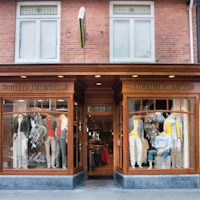
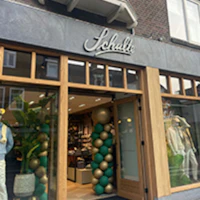
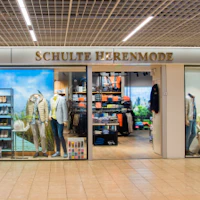
Prefer to see and try everything in person? Schulte Herenmode has several stores across the Bollenstreek, where you can experience our collection up close. Here you can feel the fabrics, compare fits and see how a full black tie outfit comes together.
Frequently asked questions about black tie attire
It means you are expected to wear a formal black tie outfit: a dark tuxedo with a white dress shirt and bow tie. It is one of the most formal evening dress codes you will encounter.
Black is the safest and most traditional choice. Another dark colour, such as deep navy, can sometimes be appropriate at slightly less strict events. When in doubt, go with classic black.
Choose neat, black leather lace-up shoes, well-polished and in keeping with the formality of the occasion. Casual or sporty shoes are not appropriate for black tie.
Keep the foundation dark and calm, and introduce colour only through small accents such as a pocket square or bow tie and only at less formal events. Avoid bright colours and busy prints.
A tuxedo is the classic and expected choice. At more relaxed invitations, a well-cut dark suit may occasionally be acceptable. If you are unsure, confirm with the host.
Try on your complete outfit at least a few days before the event. This leaves time for any alterations or additions, and ensures you arrive feeling composed and well-prepared.
Neither is required, but both can give your outfit a more polished, complete look. If you choose one, opt for a calm, dark version that matches your tuxedo.
In most cases, a plain dark jacket and plain white shirt are the safest choice. If the event is informal and the host allows more creative expression, keep any pattern very subtle and understated.
At traditional black tie events a watch is not always worn, as the focus is on the occasion. If you do wear one, choose a slim, classic model that does not stand out.
This signals that a tuxedo is appreciated but not strictly required. A dark, well-fitted suit with a white shirt and a neat tie or bow tie is usually an acceptable alternative.
Over de auteur