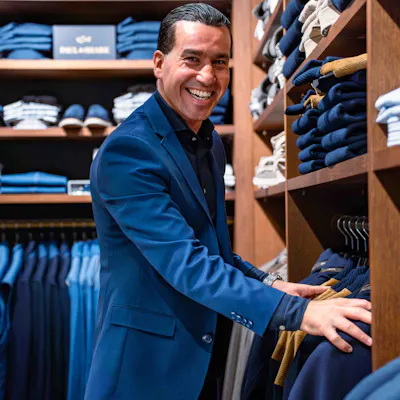
Business casual: a practical guide for men
You want to look professional at work, but a full suit and tie feels too formal. At the same time, you do not want to appear underdressed in jeans and a T‑shirt. That is exactly where business casual comes in. In this guide you will find a clear explanation of the business casual dress code for men, simple outfit formulas and concrete examples for Dutch office life. So you can get dressed in the morning with confidence, without losing time.
What is a business casual dress code?
A business casual dress code is a neat, professional way of dressing without a full suit and tie. For men, this usually means wearing chinos or dress trousers with a shirt or neat polo. You can add an optional blazer or knitwear. Finish the outfit with closed, smart shoes. It sits between classic business attire, with a suit and tie, and smart casual, which is more relaxed and personal. The goal is to look tidy and reliable while still feeling comfortable.
Business vs business casual vs smart casual
Use this simple comparison to see the difference between the three dress codes:
| Dress code | Formality level | Typical items for men |
|---|---|---|
| Business | Most formal | Matching suit, dress shirt, tie, leather dress shoes |
| Business casual | Semi formal / office | Chinos or dress trousers, shirt or polo, optional blazer, leather shoes or neat sneakers |
| Smart casual | Relaxed but polished | Dark jeans or chinos, polo or knitwear, casual blazer, neat sneakers or loafers |
If you are unsure what to wear, business casual is often the safest middle ground: more relaxed than a suit, but clearly more polished than casual wear.
When is business casual appropriate?
You will encounter a business casual dress code in many modern offices and professional environments.
Typical situations include:
- Regular office days
- Internal meetings
- Client visits where a full suit is not required
- Presentations or training days
- Company events and networking drinks
- Casual Friday in more formal companies
A useful rule of thumb: if you meet clients, managers or external partners, business casual attire is usually a safe choice.
Business casual in Dutch workplaces
In many Dutch workplaces, dress codes have become more flexible. Full suits are often reserved for formal meetings, special events or specific sectors. On a normal office day, business casual is common in:
- Offices with a service or advisory role
- Environments where you regularly meet clients
- Companies that value a professional but approachable image
Dress codes can differ per company and sector. Look around: how do colleagues and managers dress? When in doubt, start slightly more formal (for example with a blazer and leather shoes). You can always leave the blazer off later.
Business casual for men: the basic outfit formula
A reliable business casual outfit for men is built from a few key pieces. Think from head to toe and keep it simple. Choose chinos or neat dress trousers. Wear a shirt or polo shirt like your top. Add fine knitwear or a blazer as an optional layer. Finish the outfit with leather shoes or neat sneakers, if appropriate. Make sure your belt and socks are coordinated and tidy.
Focus on fit, quality fabrics and calm colours. That combination always looks more professional than loud prints or very casual items.

Shirts and polos
Shirts and polos determine how “business” your business casual outfit feels.
Shirts are the safest choice for most offices. Choose long sleeves, even in summer. White, light blue, subtle stripes or checks are suitable colours and patterns. A classic collar works well, while a button-down collar gives a slightly more relaxed look.
Polos are suitable in more relaxed offices or on Casual Friday. Choose a neat, well-fitting polo with a collar that keeps its shape. Prefer solid colours or very subtle patterns.
Keep it business. Avoid large logos or loud prints. Do not choose sports polos or technical fabrics. Make sure the fabric is thick enough so it does not show through.
Shirts and polos determine how “business” your business casual outfit feels.
Shirts are the safest choice for most offices. Choose long sleeves, even in summer. White, light blue, subtle stripes or checks are suitable colours and patterns. A classic collar works well, while a button-down collar gives a slightly more relaxed look.
Polos are suitable in more relaxed offices or on Casual Friday. Choose a neat, well-fitting polo with a collar that keeps its shape. Prefer solid colours or very subtle patterns.
Keep it business. Avoid large logos or loud prints. Do not choose sports polos or technical fabrics. Make sure the fabric is thick enough so it does not show through.

Knitwear and layers
Fine knitwear is perfect for layering in a casual business style.
Choose sweaters and vests in fine knit wool, cotton or blends. Wear a V neck or round neck over a shirt. Navy, grey, dark green and burgundy are suitable colours.
A neat cardigan can replace a blazer in more relaxed offices. Wear it over a shirt or polo shirt.
Keep the thinnest layer closest to the body. Choose one main colour and combine it with 1 to 2 neutral tones. Avoid bulky knits because they can make the outfit look too casual.
Fine knitwear is perfect for layering in a casual business style.
Choose sweaters and vests in fine knit wool, cotton or blends. Wear a V neck or round neck over a shirt. Navy, grey, dark green and burgundy are suitable colours.
A neat cardigan can replace a blazer in more relaxed offices. Wear it over a shirt or polo shirt.
Keep the thinnest layer closest to the body. Choose one main colour and combine it with 1 to 2 neutral tones. Avoid bulky knits because they can make the outfit look too casual.

Trousers: chinos and neat dress trousers
Chinos and dress trousers are the foundation of business casual attire for men.
Chinos are ideal for most office days. They are made from comfortable cotton, often with a bit of stretch. Navy, beige, khaki and grey are timeless colour choices. Choose a slim or regular fit that is not too tight and not too wide.
Dress trousers are slightly more formal than chinos. They are often made from wool or wool blends and usually have a crease. Navy, charcoal and dark grey are suitable colour choices.
Avoid faded or distressed denim. Also avoid cargo trousers with many pockets. Do not wear shorts, except in very informal, warm weather settings with a clear policy.
Chinos and dress trousers are the foundation of business casual attire for men.
Chinos are ideal for most office days. They are made from comfortable cotton, often with a bit of stretch. Navy, beige, khaki and grey are timeless colour choices. Choose a slim or regular fit that is not too tight and not too wide.
Dress trousers are slightly more formal than chinos. They are often made from wool or wool blends and usually have a crease. Navy, charcoal and dark grey are suitable colour choices.
Avoid faded or distressed denim. Also avoid cargo trousers with many pockets. Do not wear shorts, except in very informal, warm weather settings with a clear policy.

Jackets and blazers
A blazer or sport coat immediately lifts your business casual outfit to a more formal level.
Wear a blazer for client meetings, presentations and days with important appointments.
Structured blazers have sharper shoulders and look more formal. Unstructured blazers have a softer construction and a more relaxed look. They are very suitable for business casual.
Choose neutral colours like a navy blazer, grey blazer or dark green blazer. Choose fabrics that match the season, such as lighter blends in summer.
A blazer or sport coat immediately lifts your business casual outfit to a more formal level.
Wear a blazer for client meetings, presentations and days with important appointments.
Structured blazers have sharper shoulders and look more formal. Unstructured blazers have a softer construction and a more relaxed look. They are very suitable for business casual.
Choose neutral colours like a navy blazer, grey blazer or dark green blazer. Choose fabrics that match the season, such as lighter blends in summer.

Shoes and belts
Shoes and belts complete your business casual outfit and strongly influence how formal you look.
Suitable shoes include leather lace ups, such as Derbies and brogues. Loafers are also suitable. You can also choose Chelsea boots in leather or neat suede. Minimal, clean sneakers in neutral colours can work too, but only if your office culture allows it.
Match the colour of your belt with your shoes as much as possible. Choose a classic buckle that is not too large. Choose dark socks, plain socks or socks with a subtle pattern. Make sure the socks are long enough so no bare skin shows when you sit.
Shoes and belts complete your business casual outfit and strongly influence how formal you look.
Suitable shoes include leather lace ups, such as Derbies and brogues. Loafers are also suitable. You can also choose Chelsea boots in leather or neat suede. Minimal, clean sneakers in neutral colours can work too, but only if your office culture allows it.
Match the colour of your belt with your shoes as much as possible. Choose a classic buckle that is not too large. Choose dark socks, plain socks or socks with a subtle pattern. Make sure the socks are long enough so no bare skin shows when you sit.
Fit and grooming: why they matter more than the dress code
Even the best business casual outfit looks less professional when the fit is not right or the clothes are not well cared for. Fit and grooming often make more difference than the exact items you wear.
Choosing the right fit for your body type
A good fit follows your body without pulling or sagging.
Slim fit
A slim fit is suitable for a slimmer build. It follows the body closely, but it should not be tight.
Regular fit
A regular fit works for most men. It offers enough room to move without looking wide.
Comfort fit
A comfort fit gives you more space around the chest, waist and thighs. It is comfortable for a fuller build.
General tips
- Your trousers should end just above the shoe, without creating many folds.
- The shoulder seam of your shirt should sit on your shoulder.
- The buttons should not pull.
- Your blazer should close without tension.
- The sleeves should end around the wrist bone.
At Schulte Herenmode, style advisors help you choose the right fit and size. This helps your business casual outfits look balanced and feel comfortable.
Grooming and care
- Keep your clothes clean and freshly ironed.
- Check for loose threads or missing buttons.
- Keep your shoes clean and polish leather shoes regularly.
- Make sure your belt is in good condition.
- Keep your hair tidy and your beard or stubble well groomed.
These details show that you take your work and appearance seriously, regardless of the dress code.
Colours, fabrics and patterns in business casual
The strength of business casual style lies in timeless colours and quality fabrics.
Safe, professional combinations include navy trousers with a white shirt or light blue shirt. You can also wear beige chinos with navy knitwear or grey knitwear. Grey trousers work well with a white shirt and a navy blazer. Dark jeans, if allowed, can be combined with a light blue shirt and a dark cardigan.
Stick mainly to navy, grey, beige, white and light blue. You can add small accents with a tie, if you wear one, a pocket square or a subtle pattern. Keep the base calm.
Fabrics and comfort
The right fabric makes your business casual outfit both comfortable and stylish.
Cotton is ideal for shirts and chinos. It is breathable and comfortable for daily wear. Wool and wool blends are perfect for dress trousers, blazers and fine knitwear. They keep their shape and look refined. Linen blends are very suitable for summer. They combine the airy feel of linen with the structure of cotton or wool. Especially for shirts in the summer.
Choose fabrics that feel pleasant on the skin, fall nicely and are easy to maintain. That way you look tidy throughout the day.


Business casual examples for men
Choosing business casual clothes becomes easier when you see how individual pieces work together. The examples below show complete outfits for common work situations. Each look combines timeless colours, comfortable fabrics and smart details, so you can look professional without wearing a full suit. Use these outfits as a practical starting point and adapt them to your own office, workday and personal style.

Classic office day: safe business casual look
For a regular office day, navy chinos with a light blue shirt are a reliable choice. Add a brown leather belt and brown leather lace up shoes to keep the outfit neat and balanced. A navy blazer is optional, but it is useful when you have an internal meeting or want a slightly smarter appearance.
This outfit works because the colours are calm and professional. Navy, light blue and brown are easy to combine and create a clear business look without feeling as formal as a full suit. It is suitable for almost any office day, internal meeting or informal appointment.
For a regular office day, navy chinos with a light blue shirt are a reliable choice. Add a brown leather belt and brown leather lace up shoes to keep the outfit neat and balanced. A navy blazer is optional, but it is useful when you have an internal meeting or want a slightly smarter appearance.
This outfit works because the colours are calm and professional. Navy, light blue and brown are easy to combine and create a clear business look without feeling as formal as a full suit. It is suitable for almost any office day, internal meeting or informal appointment.

Client meeting: slightly more formal business casual
For a client meeting or presentation, choose dark grey dress trousers with a white dress shirt. Wear a navy blazer over the shirt and finish the outfit with black or dark brown leather shoes. Match your leather belt with the colour of your shoes for a tidy and considered look.
The darker colours and blazer create a more formal impression. At the same time, the outfit still feels less strict than classic business attire because you do not need to wear a tie. This combination is a strong choice for client visits, presentations and important appointments where you want to look professional and approachable.
For a client meeting or presentation, choose dark grey dress trousers with a white dress shirt. Wear a navy blazer over the shirt and finish the outfit with black or dark brown leather shoes. Match your leather belt with the colour of your shoes for a tidy and considered look.
The darker colours and blazer create a more formal impression. At the same time, the outfit still feels less strict than classic business attire because you do not need to wear a tie. This combination is a strong choice for client visits, presentations and important appointments where you want to look professional and approachable.

Casual Friday: relaxed but still professional
Casual Friday gives you more freedom, but your outfit should still look neat enough for work. Choose dark, clean jeans or chinos, depending on what is accepted in your office. Wear them with a polo shirt or a shirt with neatly rolled up sleeves. You can add a fine knit sweater or an unstructured blazer when you want more warmth or a slightly smarter look. Finish the outfit with clean, minimal sneakers in neutral colours or a pair of loafers.
Choose jeans without damage or heavy fading. Your sneakers should be clean, simple and understated. T shirts, hoodies and sportswear are usually too casual for a professional setting. The goal is to look more relaxed than on a normal office day while still showing that you take your appearance seriously.
Casual Friday gives you more freedom, but your outfit should still look neat enough for work. Choose dark, clean jeans or chinos, depending on what is accepted in your office. Wear them with a polo shirt or a shirt with neatly rolled up sleeves. You can add a fine knit sweater or an unstructured blazer when you want more warmth or a slightly smarter look. Finish the outfit with clean, minimal sneakers in neutral colours or a pair of loafers.
Choose jeans without damage or heavy fading. Your sneakers should be clean, simple and understated. T shirts, hoodies and sportswear are usually too casual for a professional setting. The goal is to look more relaxed than on a normal office day while still showing that you take your appearance seriously.

Business casual in summer
Warm weather and a business casual dress code can work well together when you choose the right fabrics and colours. Lightweight chinos or dress trousers in beige or light grey are comfortable choices for summer. Combine them with a breathable cotton or linen blend shirt with long sleeves. White, light blue and soft pastel colours keep the outfit fresh without looking too casual. Loafers or light leather shoes with thin cotton socks complete the look.
For formal meetings, roll up your sleeves neatly instead of choosing a short sleeve shirt. Airy fabrics help you stay comfortable throughout the day and keep your outfit looking fresh. Keep the colours light but calm, so your outfit still looks professional in warmer weather.
Warm weather and a business casual dress code can work well together when you choose the right fabrics and colours. Lightweight chinos or dress trousers in beige or light grey are comfortable choices for summer. Combine them with a breathable cotton or linen blend shirt with long sleeves. White, light blue and soft pastel colours keep the outfit fresh without looking too casual. Loafers or light leather shoes with thin cotton socks complete the look.
For formal meetings, roll up your sleeves neatly instead of choosing a short sleeve shirt. Airy fabrics help you stay comfortable throughout the day and keep your outfit looking fresh. Keep the colours light but calm, so your outfit still looks professional in warmer weather.
Business casual mistakes to avoid
Business casual gives you freedom, but that can also cause doubt. These are common pitfalls.
Too casual: where it goes wrong
Be careful with items that are clearly meant for leisure or sports:
- Sports sneakers with bright colours
- Hoodies and sweatpants
- T‑shirts with large prints or slogans
- Shorts (unless clearly accepted in your office in summer)
- Very worn jeans with holes or heavy fading
If you are unsure whether something is appropriate, ask yourself: would I wear this to meet an important client? If the answer is no, choose something neater.
Too formal: when it feels like a full business suit
The other extreme is being overdressed in an environment where colleagues dress more casually.
- Full matching suit with tie
- Very formal, shiny shoes
- Strongly contrasting pocket squares and accessories
In many business casual offices, a full suit and tie can feel a bit distant in daily work. If you like a more formal look, you can:
- Wear the suit without a tie
- Combine the suit trousers with a knitwear top
- Wear the blazer with chinos instead of matching trousers
This keeps you within the business casual dress code, while still looking very polished.
How Schulte herenmode helps you with business casual
Business casual offers many options, but that can also make choosing more complex. Schulte herenmode makes it easier to put together outfits that fit your work, body type and personal style.
Efficient advice in store and online
Whether you visit a store or shop online, you can count on practical, personal advice:
- Help with choosing the right fit and size
- Suggestions for combinations that suit your work situation
- Clear explanations about fabrics, colours and maintenance
This way you build a small, reliable wardrobe with business casual outfits that you can combine quickly. Ideal if you have little time and still want to look well dressed every day.
Reliable choices: quality, fit and timeless style
The assortment at Schulte herenmode focuses on:
- Quality materials that stay beautiful for longer
- Good fits for different body types
- Timeless designs that you can wear for several seasons
From chinos and shirts to blazers, knitwear and shoes: you will find everything you need for a complete business casual wardrobe.
Discover our stores
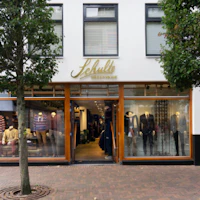
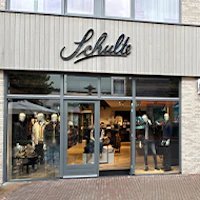
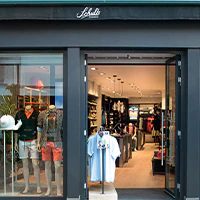
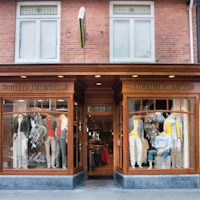
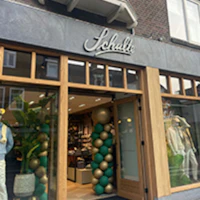
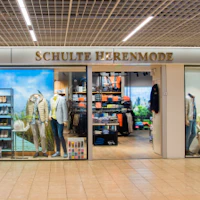
Prefer to see and try everything in person? Schulte Herenmode has several stores across the Bollenstreek, where you can experience our collection up close. Here you can feel the fabrics, compare fits and see how a full black tie outfit comes together.
FAQ about business casual for men
Business casual for men is a neat, professional look without a full suit. Think of chinos or dress trousers, a shirt or polo, optional blazer or knitwear and closed, smart shoes. The overall impression is tidy and reliable, suitable for an office or meeting.
A polo shirt can be business casual if it looks neat and structured. Choose a solid colour or very subtle pattern, a good collar and a comfortable but tidy fit. Combine it with chinos and smart shoes, not with sportswear or very casual jeans.
In some workplaces, dark, clean jeans without damage or heavy fading are accepted as business casual. Combine them with a shirt, blazer or fine knitwear and smart shoes. If you are unsure about your company’s culture, choose chinos or dress trousers instead.
Minimal, clean sneakers in neutral colours can fit a business casual dress code in more relaxed offices. They should look tidy and understated. In more formal environments, leather shoes such as loafers or lace‑ups are the safer and more professional choice.
Neutral, calm colours work best: navy, grey, beige, white and light blue. These tones are easy to combine and always look professional. You can add small accents with a subtle pattern or a deeper colour, but keep the base of your outfit simple and timeless.
Business casual clothes should follow your body without pulling or sagging. Trousers fall just above the shoe, shirts close comfortably at the buttons and blazers can be closed without tension. A good fit makes your outfit look more formal and gives you a confident, relaxed appearance.
Over de auteur